Africa
Victoria Falls from above June 2025
African Destinations
Nick, our solo travel expert has travelled extensively in Africa. Explore his travel guides, itineraries, and tips across multiple countries in this stunning continent
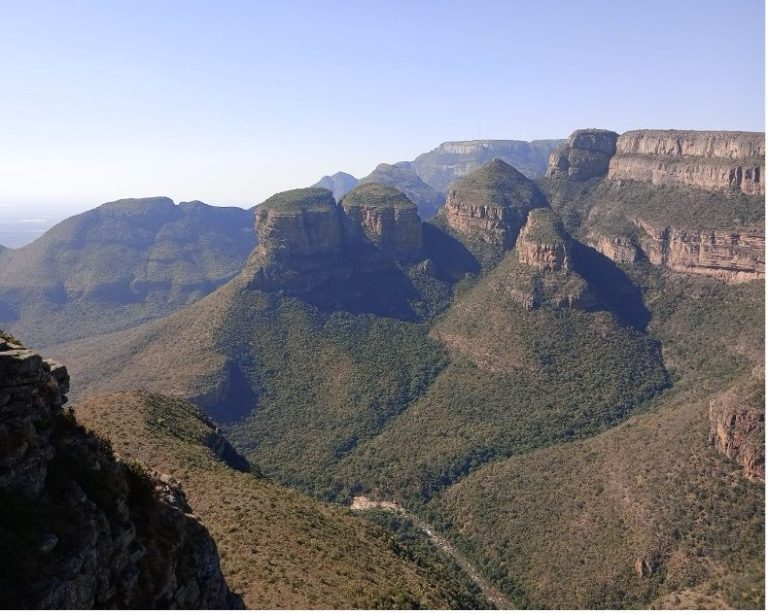
South Africa, Zimbabwe, Zambia & Botswana
Exploring southern Africa
Nick spent nine days solo travelling around southern Africa, visiting Johannesburg, Soweto, Kruger National Park, Blyde River Canyon, Victoria Falls, and more! Here, he shares his itinerary and experiences on this multi country trip.
Added February 2026
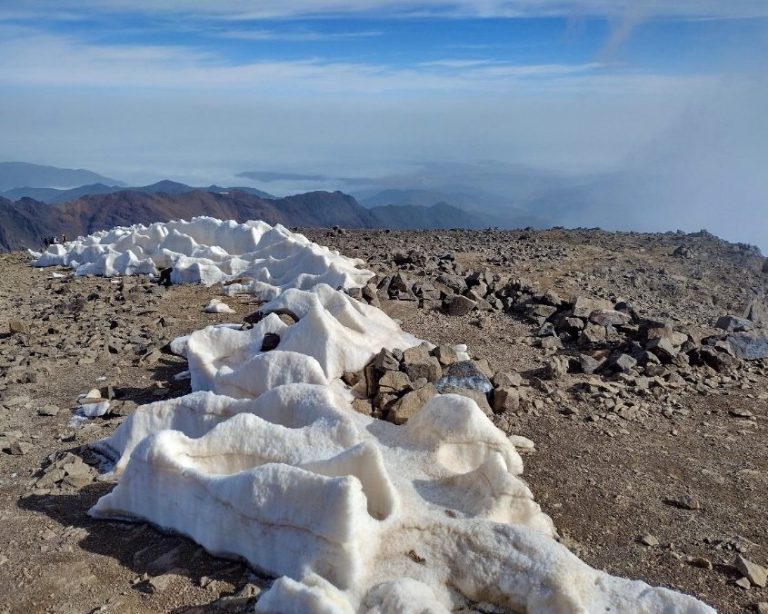
Morocco
How to Summit Mount Toubkal: A Guide to Morocco’s Highest Peak
Planning to summit Mount Toubkal? This complete guide covers routes, costs, packing tips, best time to go, and how to reach Morocco’s highest peak from Marrakech.
Added May 2026
Plan your trip to Africa - Essential Information
The Varying Entry Requirements for a British Citizen
There are 54 countries in Africa, and they all have slightly different entry requirements.
Approximately half of them need an e-visa for entry. Some of these countries require these to be obtained in advance, and some you can get on arrival. Costs also vary for these countries - anything from $10-$90.
Some countries require a full visa application through a consulate or embassy before you fly, and some countries are visa free for tourists for up to 90 days.
At the time of writing (May 2026), eight countries are on the "Do Not Travel" FCO Advisory List - Burkina Faso, Central African Republic, Libya, Mali, Niger, Somalia, South Sudan, and Sudan.
Before making any travel arrangements, check the FCO website for current guidance, and make sure your passport is valid for 6 months after your departure date with at least 6 blank pages available.
KAZA Visa
Entering Zambia or Botswana from Zimbabwe - You can use a KAZA visa if you want to visit Zambia, or Botswana (day trips), from Zimbabwe. This is useful if you just want to day trip into Botswana from Zimbabwe, or visit Victoria Falls in Zambia, from Zimbabwe. The KAZA Univisa is available at Harare, Bulawayo and Victoria Falls airports and at the land borders at Victoria Falls (Zimbabwe-Zambia border) and Kazungula (Zimbabwe-Botswana border). It costs US$50 and is valid for 30 days.
Health and Security Information
Terrorism
There is a high threat of terrorism in all of the countries in Africa. There are individuals and groups who view the UK and British Citizens as targets. Please be aware of your surroundings at all times, especially at tourist sites, shopping centres, and other crowded places.
Political Situation
Protests, marches, and demonstrations can turn violent. Avoid areas where they are taking place, especially in city centres, or townships. Don't get involved, even if you agree with the protest. Don't cross protestor roadblocks, and monitor the local media for updates.
Crime
Rates of crime are high, including violent crime. Avoid isolatd areas, do not walk alone after dark, and protect your belongings.
Other
There are frequent power blackouts due to electricity shortages in some southern African countries. Beware that traffic lights may not work. You may also come across water rationing if there has been little rainfall.
Health and Travel Insurance
Check to see if there is a healthcare agreement between the UK and the country you are travelling to. Make sure you take out a good worldwide travel insurance policy that covers emergency medical, accident, and legal costs and that your destination can provide the healthcare you need.
Make sure that you buy your travel insurance as soon as you have booked, not just before you go, in case you need to cancel your trip. Your insurance should also include delays and missed departures, cutting your trip short, plus baggage delays and loses.
Vaccines
It is recommended that you have the following vaccines 8 weeks before travel to African countries:
- Hepatitis A
- Tetanus
- Typhoid
Malaria
Malaria is prevalent in the sub Sahara African countries, is a serious illness, and is transmitted by mosquitoes which mostly feed between dusk and dawn. Symptoms usually start with a high temperature of at least 38℃ (100℉). Other symptoms include headache, nausea, vomiting, feeling cold, or shivering, and aching muscles. Symptoms can appear between eight days and one year after an infected mosquito bite. People with malaria can deteriorate quickly so it's important to get a quick diagnosis.
Transmission of Malaria usually occurs between September and May.
You should take anti-malarial tablets and use an insect repellent if you are in an area of risk. Depending on the type of tablet you take, you may need to start them up to three weeks before you travel.
Medications
Make sure you pack enough of your currently prescribed medications to last for longer than your trip, in case you face delays. Also make sure all medication is in it's original packaging. You should also take a copy of your prescription. Be aware, that it is possible that your prescribed medication may not be legal in parts of southern Africa. Check the Travel Health Pro website for more details.
Public Transport
Travel on public transport can be hazardous due to vehicles being in an unsafe condition, and standards of driving are poor. If you doubt a vehicle’s condition, or the competency of the driver, make alternative arrangements.
Taxis recommended by hotels are normally reliable. Big chain hotels will usually have their own taxis.
Driving
The rules for what kind of driving licence you need vary between countries.
For example, In South Africa and Zimbabwe, you can drive for up to 12 months on a UK photocard driving licence. However, in Zambia, or Mozambique, you can only drive for up to 90 days. If you plan on staying longer you will need an International Driving Permit (IDP). Check the requirements for the country you want to drive in here.
International Driving Permits (IDPs)
If you need an IDP, You will need a 1949 Permit (there are three different types). An IDP currently costs £5.50 and you will need a physical printed passport photo. IDPs look like they were issued in the 1930s, and are basically is small paper book with your photo glued in. You used to get IDPs from the Post Office, but now you need to go to a shop with a PayPoint. Not all PayPoints offer all services, so check their website.
You will also have to print your driving licence information from gov.uk. This will show the car hire company whether or not you have any current diving convictions.
Laws and Customs
Unlike the UK, which has recognised same-sex marriage and provides anti-discrimination protection, many African countries have anti-gay laws.
Laws in several African countries are also more restrictive regarding online expression compared to the UK. For example, in Zimbabwe, consider carefully what you say on social media, including posting comments, blogging or sharing photographs as this can be seen as journalism and requires accreditation. Some African countries impose a social media tax on the use of social media, or high fees for bloggers.
It's also illegal to wear any form of camouflage clothing in Zimbabwe.
Always do your research to make sure you stay on the right side of the law, as there's some unusual laws out there!
Using Your Mobile Phone
To avoid extortionate charges, make sure you either purchase an add-on with your current mobile phone provider, which can be quite expensive, or buy an eSIM from a provider such as Airalo.
Most mobile plans put a premium on roaming. Airalo offers flexible packages so you can stay connected without it breaking the bank, and offers eSIMS for over 200 locations around the world. I personally use Airalo and it works seamlessly for me.
eSIMS are usually much cheaper than your normal provider's add-on. Bear in mind though, that a lot of add-ons or eSIMS are for data only, calls and texts will cost a lot if not included in your plan. Or in my case, texts just don't come through while you are on an eSIM, which if you are relying on SMS for two-factor authorisation for anything this causes problems. Prepare for this if you can by moving any two-factor authorisation you might need while you are abroad to an authenticator app.
Also, don't forget a travel adaptor for your phone charger. There are some type G (UK standard) outlets, but they use type C, and type D as well. You may even see a type M. It would be best to get one of those universal travel adapters that manage all sorts of combinations, and USBs too.
Due to the frequent power outages, it would also be advisable to have a power bank. Also, check the mobile coverage at your destination as this can be spotty outside the cities.
Information and Resources
Emergency help
Urgent help for British people abroad - https://www.contact.service.csd.fcdo.gov.uk/home
Getting home after losing your UK passport - https://www.gov.uk/travel-urgently-from-abroad-without-uk-passport
Apps to Download
The app of the airline you are flying with - in my experience, the app is always updated with gate numbers and delays before the boards in the lounge. You can also hold your boarding pass in most airline apps (or in your phone's digital wallet).
The app of the hotel(s) you are staying in. You can access the details of your booking easily, and increasingly, you can get a digital room key instead of carrying around a card.
Uber and/or Lyft for taxis
A currency converter app, or if you have an iPhone, the latest ios gives you a currency converter within the calculator app. I have deleted OandA now, and use this instead.
What3Words - for finding precise locations, or giving the emergency services your precise location (within 3 metres)